
Birds
✳︎
0435 056 252
✳︎
We are accepting Injured & Orphaned
Birds ✳︎ 0435 056 252 ✳︎ We are accepting Injured & Orphaned
H5N1 AVIAN BIRD FLU
While the focus is on bird flu, the everyday emergencies haven’t stopped.
While much of the current focus is understandably on sick birds and the threat of avian influenza, the everyday incidents affecting our wild birds continue. Birds are still being attacked by other animals, struck by vehicles, caught on fishing line, trapped or entangled, injured, orphaned and found as vulnerable fledglings needing help.
At the same time, with many veterinary practices now unable to accept wild birds, the options available to these animals have become increasingly limited. For an injured or vulnerable bird, this can mean there are very few places left to turn.
At SKER, we don't turn our back on an animal in need.
We continue to respond to the everyday emergencies alongside the challenges presented by bird flu, providing assessment, treatment, rehabilitation and support wherever we can. Because while the headlines may change, every injured bird still deserves a chance.
-
![Two baby masked lapwings with fluffy brown and white feathers, standing on a textured white towel.]()
Orphans
-
![Person holding a black and white bird, a juvenile magpie, with the person wearing a dark hoodie that has blue text that reads 'Southern Koala & Echidna Rescue'.]()
Animal attack
-
![A barn owl standing inside a blue and black enclosure, with a mesh window behind it and a piece of wood in the foreground.]()
Vehicle Strike
-
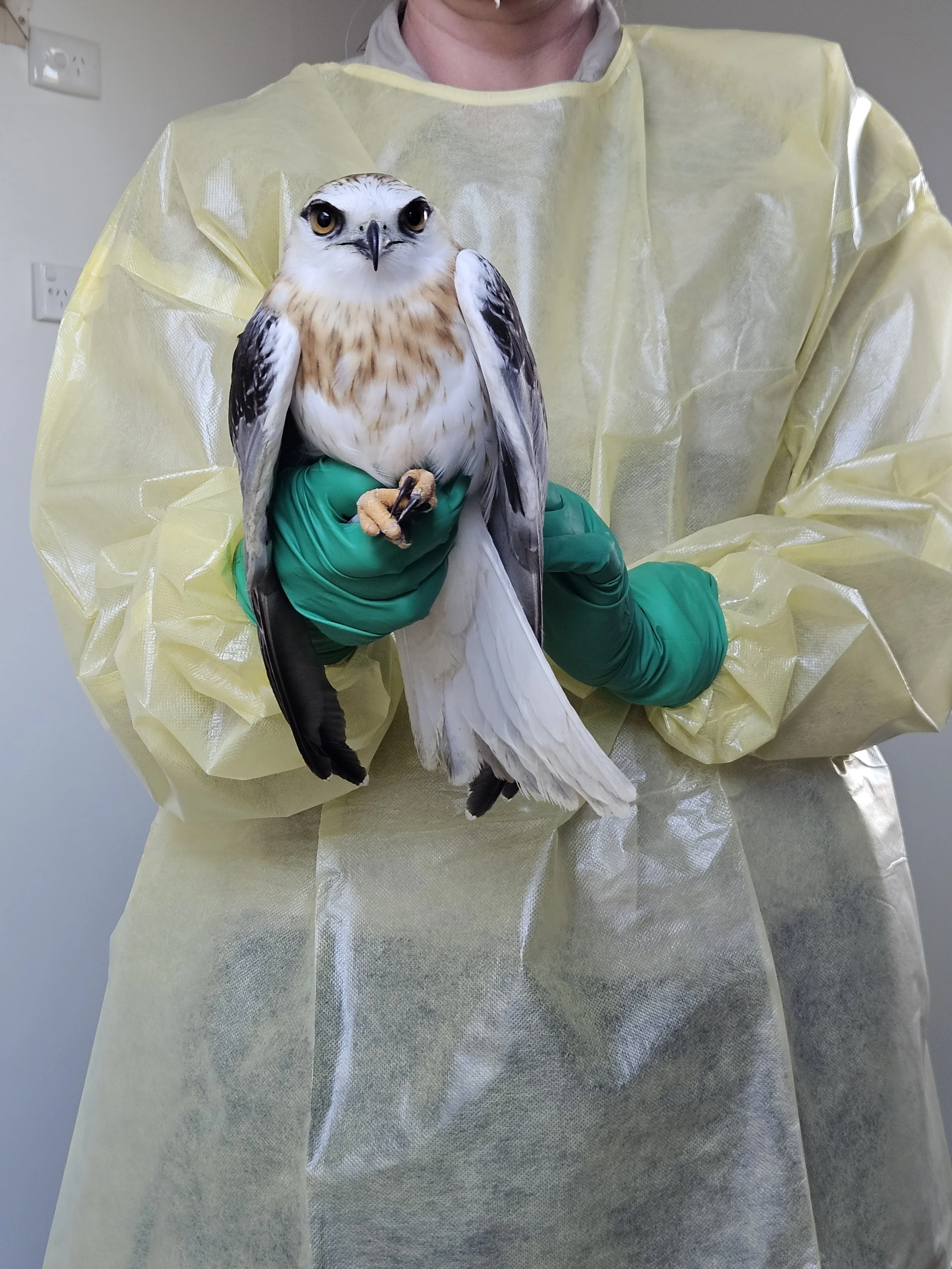
![A person wearing a yellow protective gown and green gloves holding a bird of prey with tan and white feathers and large yellow eyes indoors.]()
Injured


What we are doing….
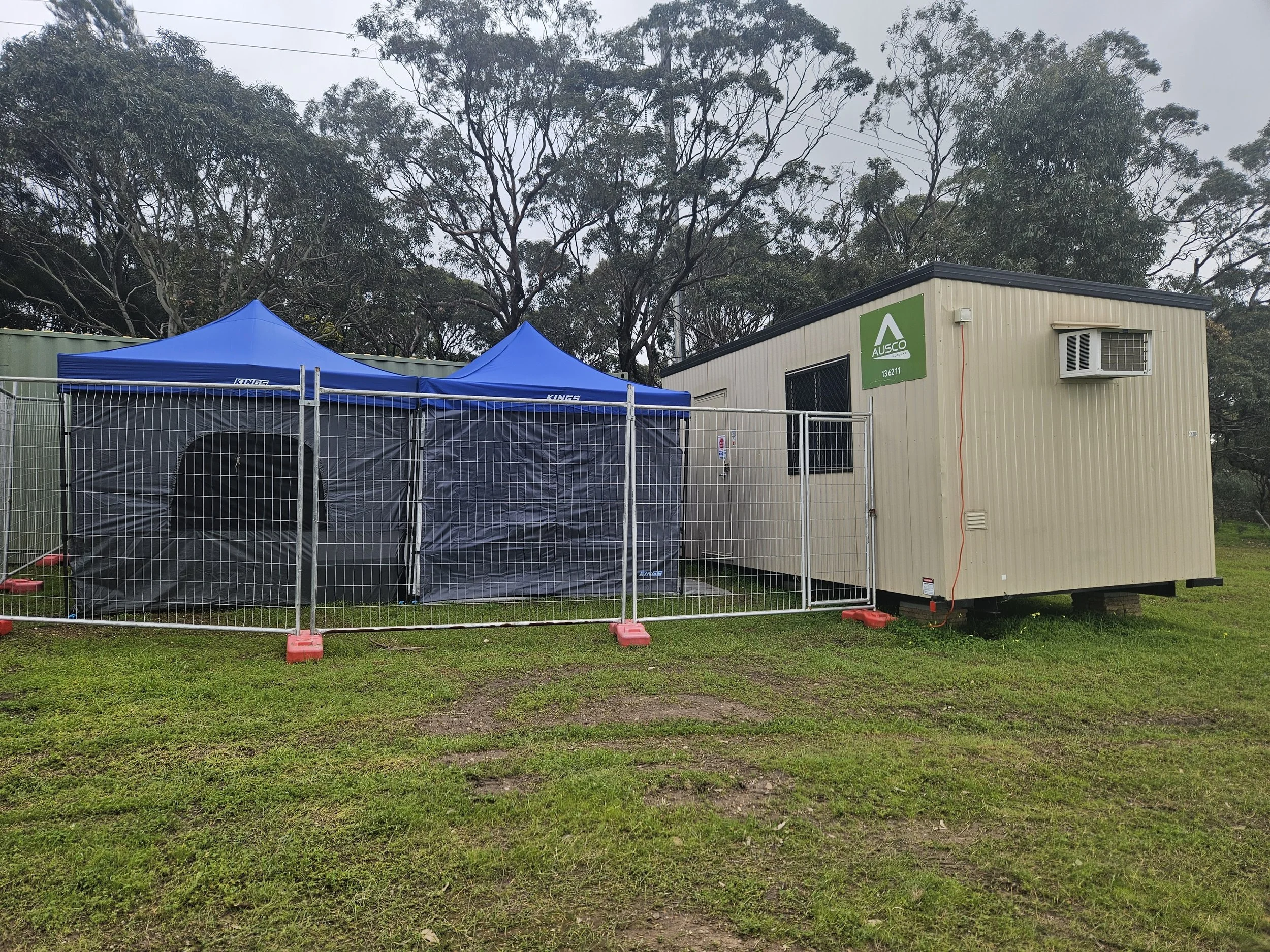
We have set up a separate triage centre on a different part of the property for birds, with purpose built quarantine cages, husbandry materials, and PPE dedicated to this area.
All birds we rescue are quarantined for the appropriate amount of time as per PIRSA regulations, and remain in this separate triage centre for the duration of their stay.
*We have done all of this of on our own with no support from the government we are doing this because if we don’t animals are left to suffer.
At Southern Koala and Echidna Rescue, we operate South Australia's only dedicated wildlife veterinary clinic.
And we are feeling the pressure more than ever .
As veterinary clinics and wildlife rehabilitators turn to us for help providing appropriate veterinary care for injured and orphaned birds, our workload and costs continue to grow .
We want to help.
But we cannot do this alone.
There comes a point where goodwill, volunteer hours and community donations simply cannot continue filling the gaps left by government.
Wildlife veterinary care and rehabilitation need to be recognised as essential services that require meaningful, sustainable government investment.
Until that happens, we need our community behind us.
Please help us fight for Australia's wildlife
South Australia has been described as the epicentre of Australia's H5 avian influenza wildlife crisis, yet the organisations and veterinary professionals on the frontline of wildlife care are still being expected to shoulder an enormous burden.
What you can do to help wildlife….
CONTACT YOUR LOCAL MP
Write to your local State and Federal MPs and ask what they are doing to ensure veterinary clinics and wildlife rescue and rehabilitation organisations are properly supported.

DONATE TO SKER
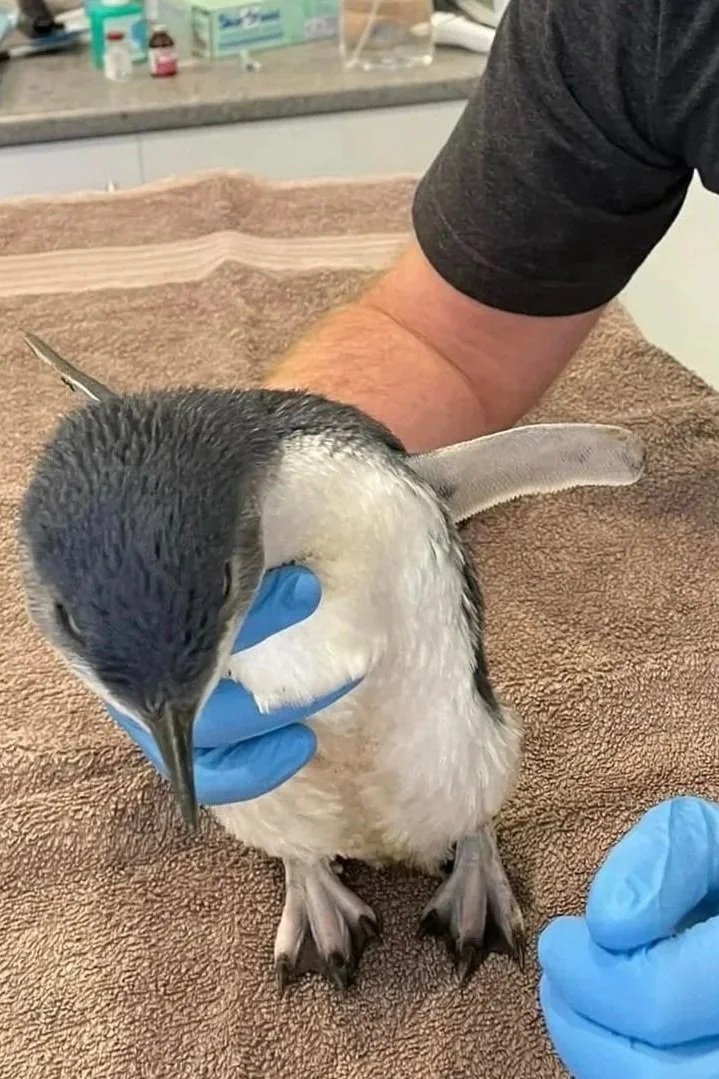
Become a regular donor to SKER. Even a small monthly donation gives us reliable funding to keep our veterinary clinic operating and our rescuers and rehabilitators on the frontline.
SHARE TO SOCIALS
Follow us and Share The more Australians who understand how wildlife care is actually funded, the harder this issue becomes to ignore.
Government advice
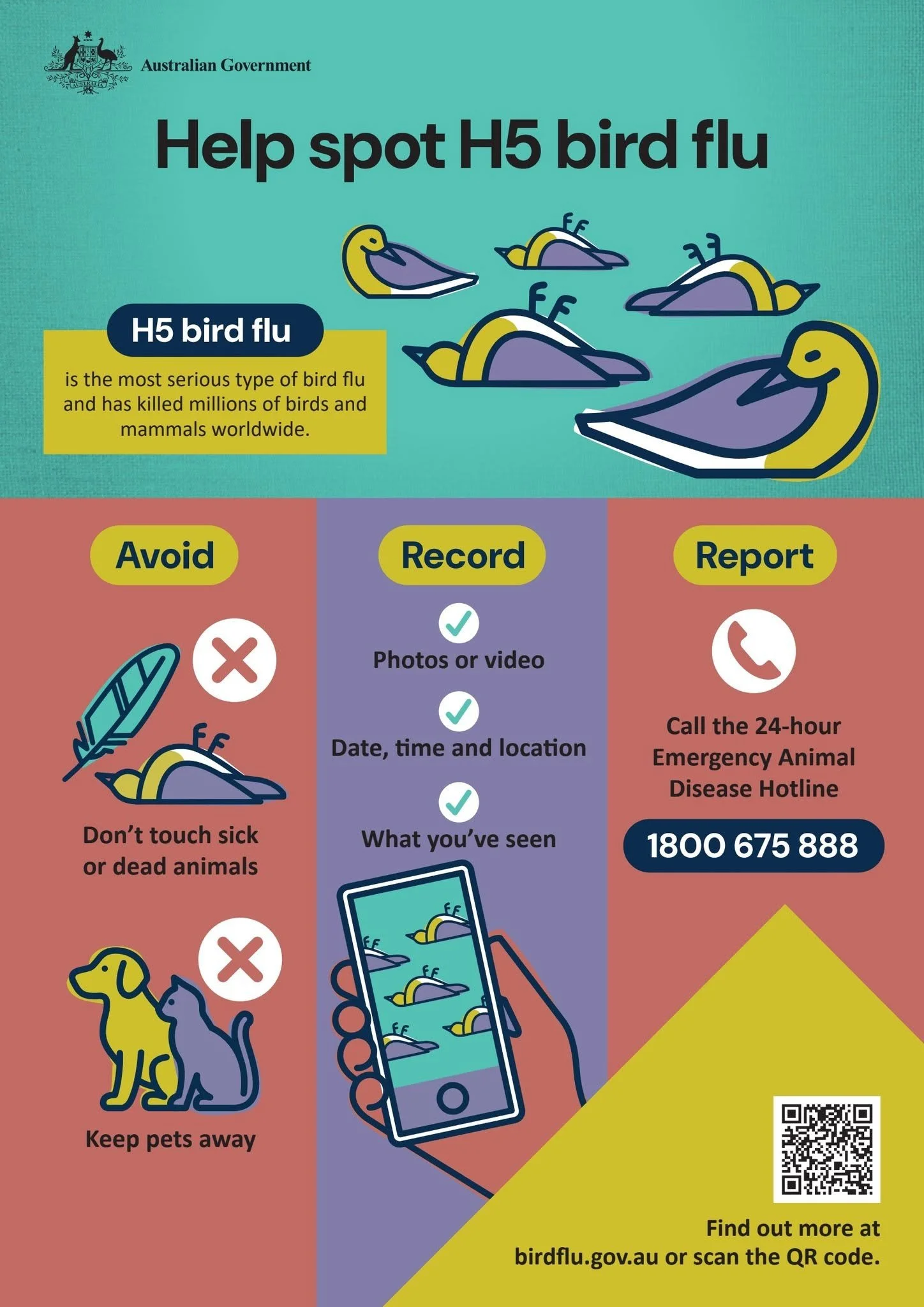
Signs to look for
Wild birds
Possible signs include:
difficulty standing, walking or flying
droopy or puffed-up appearance
breathing problems, including panting or sneezing
unusual head or neck posture
sudden death, especially in large numbers.
Other wildlife
Possible signs include:
weakness or tiredness
trouble walking or breathing
seizures, tremors or walking in circles
drooling or a runny nose
sudden illness or death.
Advice for the public
Do
report sick or dead birds or mammals to the Emergency Animal Disease Hotline on 1800 675 888
keep children and pets away from sick or dead wildlife
avoid contact with bird droppings, feathers or contaminated water
wash your hands if you have been near wildlife areas.
Do not
touch, move or collect sick or dead birds
touch, move or collect sick or dead mammals
let pets approach sick or dead wildlife
attempt to rescue wildlife showing signs of disease unless you are authorised and it is safe to do so.
For the most up to date government information relating to Bird Flu go HERE